Get expert Musky Fishing advice for the perfect retrieve speed, no matter the lure you're throwing or the conditions your fishing
Step 1: Select the options that fit your scenario best
Step 2: Click "Get My Recommendations"
Result: The tool will populate a comprehensive recommendation with personalized advice, supporting information, and product suggestions in real-time. The creators advice and knowledge is programmed into the tool!

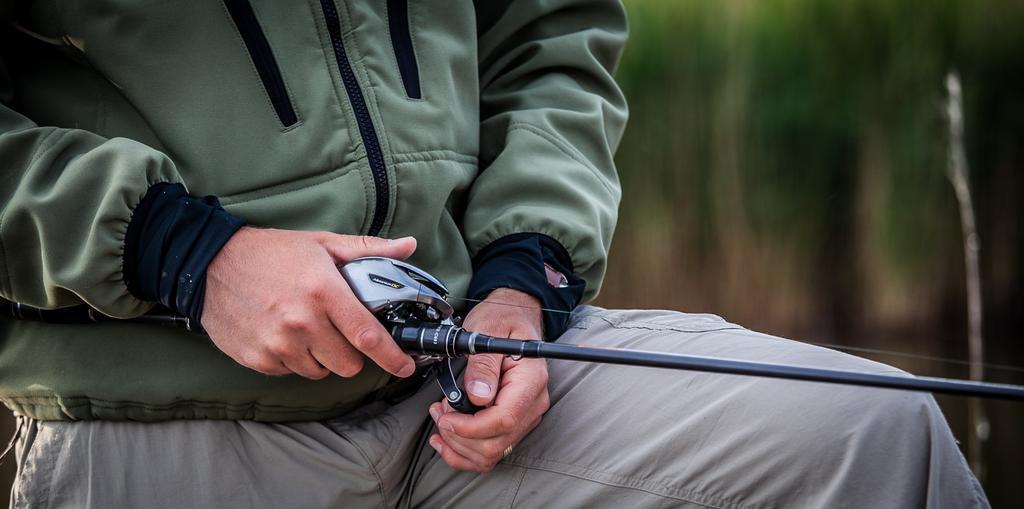
Musky are the fish of 1000 casts and they say that for a very real reason. They are famous for being notoriously hard to find and especially hard to entice into striking your lure. It's a real art form in freshwater fishing, and those who are good at it are typically very well respected anglers. It takes true hardcore patience to be a Musky fisherman, but ask any of them, the pay off is always worth it. This tool was designed to help those be confident and use proper lure retrieve technique to help you finally land the prized Musky.
The primary inputs for this tool were to incorporate the varying types of musky lures, each have their own way of being fished. We combine this with key inputs like water temperature, clarity, and a set few logic pathways to ensure the recommendations are consistent. Limitations include body of water "personality". Across the country, musky are famously different and have differing levels of aggressiveness or population density which will absolutely influence lure retrieve styles. So, for universality, our tool does not incorporate those ultra unique conditions, and uses a good reliable "rule of thumb".
Here is a sample output based on the creators common conditions fishing on the New River. A cold calm day, clear water, cold water temperatures, No forage activity, and his personal favorite lure a Glidebait.
Best Musky Lure Retrieve For You
Pro Tip
Keep an eye on your surroundings; even with low forage activity, muskies can still be lurking in ambush spots. Vary your cadence slightly to find what triggers the fish on that particular day.
Made with The Tool Collectives AI powered, Human designed, structure. Inputs provided by Ryan a member of the tool collective and an avid Musky Fisherman. Inputs crafted to encompass the key varaibles that influence retrieve speed decisions. This accompanied by a custom prompt that guides the AI Engine and lays out precise output structure, to ensure expertly crafted, reliable, responses every time.
My name is Ryan and I am a friend of the owner of The Tool Collective and an early contributor. and have been musky fishing on the New River in Virginia and West Virginia my entire life. I thought this would be a great idea for a tool as this is one of the single most important decisions a musky angler can make when out on the water. I will always be second guessing myself and getting impatient when you make hundreds of casts then you finally change up you lure retrieve just slightly based on changing conditions and BAM I will get follows up to the boat every few casts, and if I'm lucky I may even land a couple. I hope this tool finds some use across the world, if not, I'll be using it all to myself.
