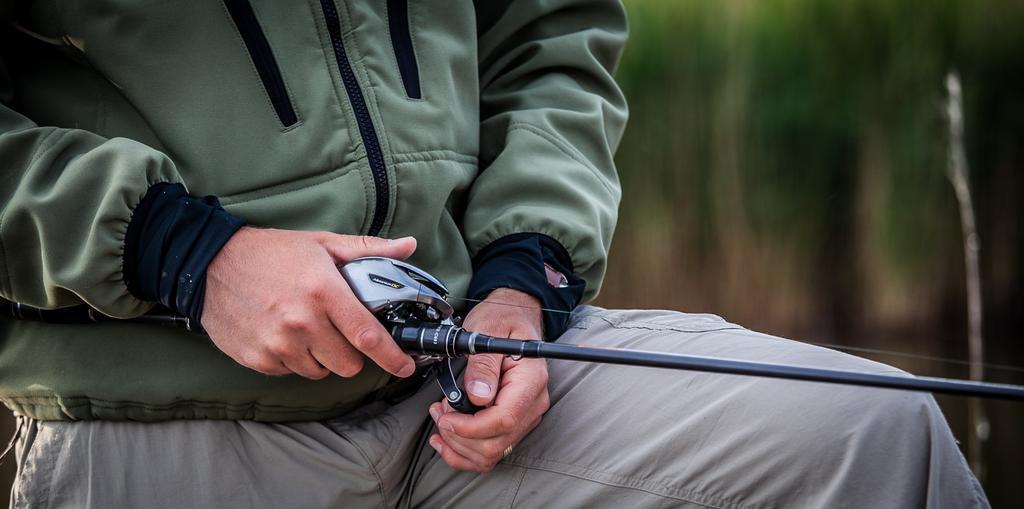
Dry Fly Fishing Technique Advisor

Advises on effective dry fly fishing techniques and strategies.

use the tool below  

Step 1: Select the options that fit your scenario best
Step 2:
Click "Get My Recommendations"

Result:
The tool will populate a comprehensive recommendation with personalized advice, supporting information, and product suggestions in real-time. All tool outputs are unbiased and based on your scenario. This eliminates research time and gives you an expert answer for your needs instantly.  

Announcement:
We have made a HUGE upgrade to our API making our tools more intelligent and faster than ever before! This has improved all current tools and will allow us to make new, even more unique tools. Stay tuned for new innovative tool uploads in the coming weeks. Make sure to give the tools a try and don't forget to go back and retry some tools you used before!

As always, thank you for visiting The Tool Collective!
Category:
Fishing
Link Copied!

Description

Helps anglers master presentation, drag control, and rise detection.

Use Cases

This tool is ideal for dry fly anglers who want to improve their presentation and success rate.

Inputs/Variables Explained

The inputs include skill level, target species, water type, time of year, water temperature, common challenge, and preferred dry fly style. This setup helps anglers master dry fly presentation in many scenarios. This tool provides dry fly technique advice only; presentation skill still requires practice.

Output Examples

Dry Fly Fundamentals

  1. Pick the right “classic” shapes for late spring trout
    • Go small, natural-looking dries: #14–#18 is the sweet spot on small streams.
    • Stick to classic patterns that match what’s moving: CDC/Quill-style naturals, comparaduns, elk-hair caddis, dries with slim profiles.
  2. Match the water reality (cool 50–65°F + spooky fish)
    • In cooler water, trout get selective and stationary. Bigger commotion loses fish fast.
    • Use lighter, cleaner presentations: thin leaders, minimal fly movement, and quiet landings.
  3. Leader + tippet for spooky fish
    • Leader: long and tapered (think 9–12 ft).
    • Tippet: 0X–2X depending on pressure and clarity; if fish are truly spooky, lean smaller diameter / more stealth rather than “power fishing.”
  4. Dry fly accuracy beats casting distance
    • Your job is to put the fly exactly where trout are looking: seams, slow edges, undercut banks, pocket water, and the “soft” water right off faster current.

Technique Tips

  1. Approach = presentation
    • Fish are spooky: stay low, move slow, and cast from downstream or cross-stream when you can.
    • Avoid “shadow drops.” Land the fly with barely any splash.
  2. Cast for drag-free drift
    • Late spring trout on small streams often key on surface movement, but they punish drag.
    • Cast up and slightly across, then let the fly drift dead straight through the target lane.
  3. Use a controlled “soft set”
    • When you see a take: don’t yank.
    • Lift with a short, firm strip-set or a gentle raise of the rod tip—enough to hook, not enough to spook.
  4. Read the water like a checklist
    • Focus on: slicks, calm pockets, foam lines, slow seams, and just downstream of cover.
    • If there’s no surface activity, fish the edges anyway—cool water often keeps fish tucked.
  5. Dry-dropper when dries aren’t getting it done
    • If trout refuse the dry but are rising occasionally or you see hesitant eats: run a light dry-dropper (tiny nymph under a classic dry).
    • Keep the dropper small and snag-resistant; small streams punish sloppy rigs.

Pro Tips

  1. Control your silhouette
    • If you can see yourself in the water, so can they. Shorten your steps, lower your rod, and keep your body out of the reflection zone.
  2. Make your first drift count
    • Spooky fish often take only the first correct presentation.
    • After a miss, recast to the same lane with a cleaner drift rather than changing everything at once.
  3. Adjust fly size before you adjust everything else
    • If you’re getting refusals or short takes: go one size smaller and keep the drift perfect.
  4. Watch the leader, not just the fly
    • If the leader is dragging or mending is sloppy, the fly will betray you.
    • Keep the line off the water and manage slack so the fly stays natural.
  5. Classic dry fly mindset
    • In cool water, trout often want subtle: soft action, no twitching, no “hero casts.”
    • Let the drift do the work.

Brought to you by TheToolCollective.com

About The Creator

The Tool Collective Team

My name is Jacob, I am the founder of The Tool Collective, and an avid angler. I have been fishing for roughly 20 years, and bass fishing competitively for about 4 years during my time in College. I became obsessed, and honestly fascinated, by how meticulous and mental the game of fishing was, and realized luck almost never plays a factor in an anglers success. I am a passionate gear head when it comes to rods and reels, and really anything fishing related. This category will be ever-expanding, as my team and I work to come up with new and innovative resources and tools to help other anglers like ourselves. Don't forget to share the tools if you found them helpful, they take a lot of time to make and we are sure they will help thousands, if not millions, of people! Enjoy and tight-lines!

How It Was Made

Made with The Tool Collective's signature model. We combine an AI engine which process the user's input choices and runs it through our specifically designed logic and reasoning parameters for that tool to curate a precise and organized output. An enthusiast knowledgeable in the tool category designs the tools inputs and input choices, writes custom logic parameters, and defines the output format and requirements. The AI engine powers the system and creates a lightning fast, highly intelligent decision tool, which is always up-to-date with current pricing and publicly available information on whatever the tool is designed for. Combines all of the internets resources into one.

Tags

Bass Fishing, Largemouth, Smallmouth, Spotted, Rod, Reel, Line, Lake, River, Soft baits, Hard baits, Topwater, Casting, Spinning

Date Published

March 30, 2026

Last Updated

March 30, 2026
This is some text inside of a div block.

Dsiclaimer

The tools and resources provided on this website are AI-powered and for informational purposes only. While we strive to provide accurate and reliable results, the outputs generated by our tools may contain errors or inaccuracies. Users are responsible for verifying any results before making decisions or taking action. By using these tools, you acknowledge that we are not liable for any damages, losses, or consequences arising from the use of our tools or the information provided. Always exercise your own judgment and consult a qualified professional when necessary.

Affiliate Disclosure

We may earn a commission from products purchased through the links on this site. At NO extra cost to you. They help support The Tool Collective and keep us creating tools completely free and open.