Beginner’s Guide to The Best Bass Fishing Setup: Complete Step-by-Step System for Your First Season
A step by step system with expert information, intelligent interactive advisory tools, and key resources, to guide beginner angler's into the world of bass fishing.
Introduction
So you are excited to start bass fishing, but the gear choices feel overwhelming and you don’t want to waste money on the wrong setup.
We are also willing to bet that you are overwhelmed by the shear amount of knowledge and experience it often takes just to be consistent catching fish.
You are not alone.
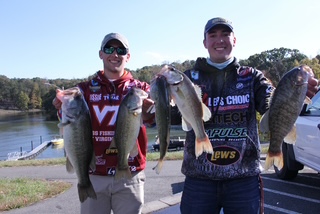
This guide system was constructed by our founder and owner Jacob, an angler with 18 years of experience and counting. He has fished competitively for 4 years while representing his university at Virginia Tech and has fished all along the east coast of the United States, and various lakes and rivers east of the Mississippi River.
We will go into every essential variable a new angler needs to consider when selecting a rod and reel combo, making the proper line choice to match your rod, reel, and technique, go over the essential lure types, soft plastic rigging, lure color choice, lure retrieve technique, and most importantly, the key knowledge you need related to seasonal bass behavior.
Why Does A Proper Rod and Reel Setup Matter?
Bass Fishing is a lot like golf...
You wouldn't step onto the green with your driver would you? No.
The same general principles apply here as well.
To effectively present your lure and increase the odds of success in landing your catch, rod choice is critical. Don't putt with your driver, and don't throw crankbaits with the same rod you flip/punch lily pads with...
Rods in particular are the most decision heavy. You must consider length, action, power, casting vs. spinning, rod blank materials, the line type/size planned to be used, etc.
And if you're like me, you may also have rod and reel weight/balance considerations for comfort and avoiding fatigue, rod blank sensitivity needs, and general preferences for features like full grip or split grip, stylistic preferences, and brand preferences.
Reels become a bit simpler as a beginner, but arguably more complex as an intermediate or advanced angler starts to decide on their own unique preferences.
Couple the headache with deciding on the right gear and apply to all of the environmental variables and conditions that also play a major factor, and you have a recipe for disaster.
We are making it easy for you. All in one place, here at The Tool Collective.
Who is This System For?
This guide system we have designed is primarily for the beginner bass angler looking to devote your time and money into the world of bass fishing and learn as much as they can, as fast as they can.
However, the tools and resources we have crafted here at The Tool Collective are for all skill levels.
Overview
Here is what you will get with this system.
A clear 7 step system complete with our custom built interactive advisory tools, designed to answer specific questions based on your scenario.
Complete with links to specific tool pages for easy navigation. They are free to use, always.
Checklists for decision making
Common mistakes
Frequently asked questions
Pro tips
Essential resources and reference materials
And of course, expert insight that you can trust
By the end of this guide, we promise you will have all of information and advice needed to build a perfect setup and make an educated decision on the water that helps you catch fish no matter your scenario or conditions.
Quick Self Assessment
Let's help you gather your thoughts and consider your own specific variables. Think about these questions and apply them to the next steps below.
How many times have been bass fishing before?
What kind of water do you fish most often? (ponds, lakes, rivers, consider the size of each)
What is your budget range? (rod, reel, line, lures, terminal tackle)
Do you want a more beginner friendly, universal "do everything ok" setup, or a more refined technique specific setup?
What is you current level of knowledge regarding overall fish behavior based on seasons, weather, environmental conditions, and local patterns?
How Important is comfort?
Do you have any deal breaking specifications, such as casting vs spinning gear?
Now that you have thought about these questions, you can effectively proceed with the next steps.
Complete Step-By-Step System
Bass angler with a premium bait casting combo
Step 1: Choosing Your Rod
This first set of tools were designed to consider the variables that influence rod choice. Below are links to the specific tools pages where you can use our custom made decision engines to apply your unique scenario and get an expert recommendation with reasoning and supporting information.
This tool explores the reasoning and methodology of action and power choice based your fishing technique and scenario and will help you to reinforce your buying decision and general fishing technique.
This tool will help guide you on when and why you should be using a casting or spinning setup based on your scenario and conditions.
Pro Tips:
For TRUE beginners who do not want to feel pressured to purchase technique specific setups, do NOT worry.
The most common all purpose rod contains these key features:
Length: 6'10"-7'3" (7' is the sweet spot)
Power: Medium Heavy (Best balance to handle the widest range of lure weights and types)
Action: Fast (most common, and most versatile, providing backbone for hooksets, and just enough tip to allow for various reaction baits with treble hooks to stay pinned with a skilled hand)
Type: Casting
Casting reels (Bait Casting) take some practice, but are infinitely more efficient in most cases when it comes to bass fishing, especially when handling larger line diameters. They are the bass anglers bread and butter. if you are a beginner and never used one before, I highly suggest you start and practice, practice, practice!
Do not pay too much attention to the line and lure ratings you see printed on rod blanks, they provide a bit more detailed insight into the true actions and powers of the rod blank, but as a beginner you do not need to worry about that.
Rod brands famously have different interpretations of rod powers and actions. Some rod manufacturer's MH (Medium Heavy) may feel like another brands M (Medium) and vice versa, this is where line and lure ratings can play a part, allowing you to get a better idea of how a rod may feel, but this knowledge and intuition will come with time and experience using many different rod models.
Common Mistakes:
Do not rely heavily on the size of the fish to influence your rod choice. When it comes to bass fishing, the most important thing is matching to the lure and technique, plus any structural variables like the density and close proximity to heavy cover like rock, wood, and grass.
Step 2: Choosing Your Reel
Now you need a reel to match.
You should now know whether you need a casting reel or spinning reel. Now we must look into the specifications.
The primary variables you need to be aware of include the reel size, usually identified as size 50-200 for casting reels, and 1000-4000+ for spinning reels, this is will dictate the reels overall size in your hand and the spool capacity. Next is gear ratio, which dictates the amount of spool rotations per full crank of the handle. Think of it as how fast your line will be retrieved. Lastly, reels these days come with all sorts of marketing features and new tech, such as digital braking systems, spool technology, various casting efficiency features, the list goes on and on, but for a beginner lets stick to what's necessary.
This tool, like the rod selection tools in step 1, will recommend a reel that fits your technique, whether its casting or spinning and based on your reel preferences.
Pro Tips:
Gear Ratio Explanations and Recommendations
You'll see ratios ranging from 5.0:1 - 8.5:1+ (This is spool rotations per 1 rotation of the handle)
Commonly a 7:1 is the most universal ratio for casting reels providing the most versatility.
Go for slower ratios when strictly using the reel for reaction techniques like cranking. Lower the gear ratio the slower the retrieve, and the easier it is to crank the lure through the water, more torque. Same physics as bike gears, or in your car.
Go for a faster gear ratio for any technique that is fished slowly. Anything bottom contact like jigs and Texas rigged soft plastics.
Drag System Considerations
Most every reel in today's market has a more than effective drag system. Plenty of power and plenty of wiggle room to back off when needed.
Most people are concerned with the smoothness of the drag. In all honestly, drag is truly the most important when thinking of finesse light line applications when it comes to bass fishing.
You'll only notice true drag smoothness improvements when entering into the higher budget levels.
Bearing Considerations
This is a misleading feature.
Many people are under the impression that the more bearings the better, and that's simply not the case. It's all about the quality of this component and the engineering of the reel itself. Don't worry too much about this. Truly.
Personal Preferences From an Enthusiast
Casting Reels: I am very devote to a few brands, which are industry known for quality. Shimano, Daiwa, Lew's. If you don't know what brands to consider, I highly suggest these, and these are not sponsored recommendations. Real advice.
The first thing I look for in a reel is being as compact as possible. I must be able to palm the reel fully without any discomfort. The amount of features or "bells and whistles" does not make up for the lack in balance and comfort of a perfectly matched reel and rod.
Right Hand vs Left Hand Retrieve Debate
Firstly this is all about preference and what feels good to you.
I argue that as a right hand dominant person you should be keeping the rod in that hand and reeling with your left.
Most commonly you see right handed people reeling with right hand retrieve reels, which I suggest is backwards because it causes you to switch hand positioning with every single cast, and you caused having the most important thing, the ROD, in your weaker less coordinated hand.
The hand you reel with isn't doing any true work here. It essentially just reels up slack line.
Keep the rod in the dominant hand and reel handle in the other. Allow the dominant hand to do the work. (casting, imparting action on your lure, hook setting, fighting fish) Remember the rod is doing everything.
BUT, this is all preference and some people simply cannot get used to doing it this way. However this way is the most efficient and correct.
Step 3: Choose Line to Match
You should have a good idea for the rod and reel you need, now let's make sure you understand line choice.
Like rod selection, line choice is based on many similar variables, but includes other considerations like water clarity, cover/structure you are fishing, and it's physical properties like stretch.
This tool will help you learn about each line material in depth and give reasoning as too why you should choose that material over others given your technique. We also provided a good breakdown below in the Pro Tips section.
Pro Tips:
Monofilament vs Fluorocarbon vs Braid
Mono: Old school reliability, but has few applications in today's world of bass fishing
Pros: Cheap, pretty durable
Cons: Buoyant (not necessarily a con), very stretchy, high memory, relatively thick line diameter relative to it's pound test.
Fluorocarbon and braid, or braid to mono leader, simply do the job better.
Few anglers still using mono today, and if they do, they are using it for a very specific technique.
Fluorocarbon: Bread and butter line choice
Serious anglers will choose fluorocarbon for the vast majority of applications.
Pros: Very little stretch, nearly invisible underwater, good durability
Cons: cheap variants can be stiff resulting backlashes
known for being a sinking line type, having little stretch, and stealthy invisibility underwater.
Great for anything bottom contact, clear water situations, and anything subsurface.
Only time you wouldn't use fluorocarbon, is fishing topwater lures, or heavy cover situations, primarily in heavy grass and other vegetation.
Braid: Heavy vegetation and topwater favorite
Very strong relative to diameter. 30lb test equivalent to about 8lb test mono. It is essentially thread made from high strength fibers.
Pros: Very strong, insanely sensitive, cuts through grass and weeds, efficient spooling given it's small diameter, unmatched castability.
Cons: Not stealthy, floats, rock and hard structure will do damage to the line easily
Key applications: Heavy cover grass fishing setup's like flipping/punching, topwater, frogs, and spinning outfits.
The small diameter made braid the Go-To choice for spinning rod and reel outfits, giving you insane casting distance plus the peace of mind of not worrying about weak line. Just remember to always tie a fluorocarbon leader to stay stealthy!
Regardless, braid remains a top tier all purpose line choice, it's the only one where you can get away with anything as long as you are willing to tie leaders to remain stealthy and not spook fish. But it does struggle with reactionary lures with treble hooks, as the lack of stretch in the line does not offer enough forgiveness to keep fish pinned. But a skilled hand and a proper rod action and power and can compensate for this.
Step 4: Choose Your Primary Lure & Rig Setup
Now let's explore some of the fundamental lure types and rigs that you MUST know and decide which ones to base your new rod and reel around.
Generally, if choosing a more all-purpose rod and reel combo, you should expect to center your techniques around soft plastics. Texas rigs (weightless or weighted) and other bottom contact presentations, lighter jigs, small swimbaits, spinnerbaits, and single hook reactionary baits like swim jigs, chatter baits, and other alike lures. The other presentations where an all purpose rod and reel combo may struggle is reaction baits (think treble hooks), crankbaits especially. some other techniques include heavy cover like hollow body frogs, heavy flipping/pitching, large swimbaits/A-rigs, and the other side of the spectrum, the finesse lightweight presentations.
Here is the list of tools we made to get you acquainted:
This tool will advise on the proper lure color choice given your current fishing conditions, good to apply while out on the water and need a quick expert recommendation. Also great to play around with and get familiar with the theory of color choice given the most common conditions.
The Drop Shot is a must know technique, and one that works when most others don't. This tool will help you tie your drop shot and perfectly setup the proper leader length and weight size given your fishing conditions.
This tool will advise you on great jig and trailer combinations with added reasoning given your fishing conditions. It has heavy emphasis on seasonality and water temperature effects on bass behavior so you select the proper actions and presentations.
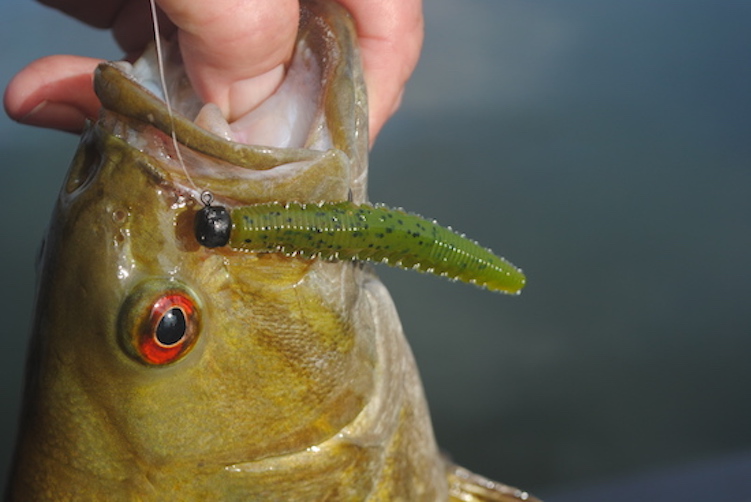
The Ned Rig is almost as simple as it gets and is a fish catching machine. The most important thing is the perfect matching jig head weight to the soft plastic you are using. This tool solves all of that so you always have the perfect setup, the perfect fall rate, and simply the perfect presentation for this key finesse application.
This a great tool for beginners, it will recommend you a rigging technique given the soft plastics you have on hand, and the fishing conditions you are experiencing. It's also a great tool to use for fun simply to learn new ways to rig your baits and advance your knowledge.
The Texas Rig is the bass fisherman's most common rig in my opinion. It can do pretty much anything and should be the first rig you learn to master. this tool will help you perfectly match your weight, hook size, and soft plastic based on your exact scenario.
Swimbaits and glide baits can be a more intermediate to advanced technique, but regardless this tool will advise good reliable lures and catered to your environmental conditions.
Pro tips:
Focus on Texas rigs as a beginner, you can Texas rig almost any soft plastic lure, throw it during any time of year, any conditions, and apply the widest range of presentations.
When buying lures, consider purchasing multiple colors.
Stick to the basics, no need to get fancy with colors.
Green Pumpkin (Dark greens/browns)
Black and blue (for dirty water)
White to light translucent (for baitfish imitations)
Vibrant colors like Reds, Chartreuse, Orange, also have their place in those unique situations in water clarity, lure type (especially crankbaits), and geographical patterns. (some lakes are famous for particular lure colors like these)
As a beginner some must haves include:
Stick baits (Yamamoto Senkos)
Crawfish/Creature Baits (any craw style will do, but the Zoom Ultravibe Speed Craw is a classic)
A jig assortment (natural and dark colored pitching jigs, swimjigs, and I'd say smaller finesse casting style jigs)
Skirted Reaction Baits (a few white/chartreuse colored spinnerbaits (stick to willow blades mostly), and of course chatter baits (grab some black/blue, greens, and white/chartreuse)
Hard baits:
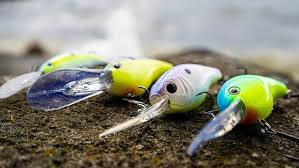
No need to go crazy and break the bank here, but some classic crankbaits like KVD square bills, Rapala DT-6, and Storm Rock Crawlers are a great starting point.
Jerk baits are another classic one, and excel in cold conditions. The Megabass Vision 110 is the king.
Topwater: Of course you need to grab a few poppers and walking style lures. Any popper will do, and a personal favorite walking bait of mine is the Zara Spook jr.
Lastly, Terminal Tackle
Hooks:
EWG Worm hooks for Texas Rigs, should only need sizes in 2/0-4/0. 3/0 used for 80% of soft plastics.
Drop Shot Style Octopus hooks. 1/0 is a sweet spot.
Jig heads: Stick to simple Ball heads for now, weight ranging from 1/8 oz - 1/2 oz will serve you well as a beginner. And varying hook size to match the varying weights, 1/0-4/0 and base this sizing off the length of the plastic you are throwing.
Bullet Weights: For Texas Rigs, a wide assortment is cheap and very nice to have. Personally use size all the way down to 1/32 oz and up to 3/4 oz, but 1/8 oz, 3/16 oz, 1/4 oz, are most commonly used.
Go for bullet weights made from Tungsten as opposed to lead. More expensive, but highly sensitive to feel the bottom of the lake, and environmentally friendly.
Others: Drop shot cylindrical weights (1/16 oz - 1/4 oz), Other jig head styles (swimbait heads, Ned rig heads, and weedless jig head varieties like the shakey head)
Step 5: Learn Proven Casting and Retrieve Technique
Once you have your new rod and reel setup, you should learn some proper casting and lure retrieval technique.
This tool will apply your rod and reel setup to your fishing application and instruct you on the proper methods of casting you should be using. Includes the standard casting technique principles and the more advanced like pitching/flipping, one handed casting, and more.
This tool takes your fishing conditions and applies proven methods of crankbait retrieval to help increase your odds of catching fish. It also has some key principles baked in, like retrieval variance, and pausing techniques.
This tool applies many methods and proven techniques for jerk bait fishing. It's one of the oldest lure types, but also one of the ones often fished improperly. This tool fixes this and gives you a great technique given your fishing conditions.
This tool analyzes your fishing conditions and applies proven cadences and retrieval techniques for topwater popping lures and walking style lures. Topwater fishing is full of excitement and often difficult. Mastery of the retrieval is key to success.
Pro Tips:
No retrieval tool for soft plastic lures has been made yet, so here is the key principles:
Let your bait fall to the bottom first
The vast majority of strikes happen on the initial fall
Raise you rod tip to drag the bait back up in the water column and let fall again, retrieve slack line.
Mix in small jerks and drags with your rod to entice more action in your lure and make it look alive.
Repeat...
The BEST piece of advice I can give you when retrieving any lure is this:
Picture in your mind what the lure looks like in the water
Always assume a fish is actively looking at your lure
Think like a fish!
What would a wounded baitfish be thinking/doing if it was being pursued by a bass? How do fish swim? How do crawfish swim? Think about these questions and slow down when fishing is tough. You must be one with a fishes brain and behavior.
For new bait casting reel users. you will get frustrated, you will get backlashes, you will waste many spools of line.
Practice, practice, practice
Set your brakes high and set your spool tension so your bait falls with gravity as fast possible without allowing any overturning of the spool once it hits the ground. From there practice casting, and slowly backdown on the brakes as far as you can until you can comfortably cast at distance while maintaining control of the spool with your thumb.
Never set the spool tension too loose so that the spools is wiggling side to side.
With time you will be able to understand naturally how spool tension and braking systems interact and how/when to adjust accordingly given you conditions and applications.
Spool tension: Adjust given your lure weight
Braking: Adjust given the wind conditions and your lures aerodynamics
EX.) A spinnerbait has a lot of surface area, as you cast it, the wind/air resistance will slow it down and prevent it from traveling as far as a lure with little air resistance, like a cylindrical hard bait. This is what causes backlashes. So for a spinnerbait, the additional force required to cast it results in the spool receiving an increased amount of force in relation to the distance that the lure is traveling, therefore causing more spool rotations while the lure is not traveling far enough (due to air resistance) to account for line being thrown off of the spool.
Step 6: Understand Seasonal & Location Factors
Low water levels and poor clarity pictured at Lake Elwha.
Now you need to learn the essentials when it comes to bass behavior based on seasons, weather, and environmental conditions. The most important piece of fishing knowledge.
This tool is more broad resource for finding bass in your local waters based purely on the season and weather conditions. It will get you started with a checklist of locations to plan and attack.
This tool takes those adverse weather conditions and suggests how those conditions will effect the fish in a short timeframe.
Pro Tips:
These tools will get you all of the elementary knowledge you will need when understanding fish behavior and how to target them, but sometimes this knowledge cannot replace the local knowledge obtained from experience on your particular body of water. Fish famously behave differently in one lake compared to the next, and have patterns that are often abnormal and unique to that water body.
Step 7: Build Your Setup, Prepare, & Go Fishing!
You made it!
Get your gear ready, study up on how to approach, and go catch some fish!
If these tools helped you don't forget to share them, and if you have any ideas for tools, don't hesitate to contact us with ideas or to work with us. That's what we do!
Supporting Resources
Beginner's Gear Checklist
Medium/Medium-Heavy rod (6'8"–7'2")
Matching spinning or casting reel
12-15 lb fluorocarbon or 20–40 lb braid + leader
Basic soft plastics (worms, creatures, senkos)
Ned Rig and Texas Rig components
Hardbaits and other lures
Pliers, scissors or something to cut line with, and de-hook fish
Scale (for weighing your trophy)
Lifejacket (if boating)
Spare spool of line (incase you backlash it all away)
Phone: No doom scrolling, you are fishing! for pictures and using The Tool Collective tools of course :)
First Aid Kit for any cuts or injuries you may get. Be prepared!
Make sure to let someone know where you are!
Bring a friend!
Seasonal Bass Quick Guide
Spring: Focus on shallow water and prespawn areas: Look for bright circles in shallow water and hard bottoms (these are spawning beds, their might be a big one around...)
Summer: Target deeper structure and shade
Fall: Look for baitfish schools and feeding aggression: Think reaction baits
Winter: Slow down and fish deeper with finesse tactics
Common Mistakes to Avoid
Buying the cheapest combo at a big box store
Choosing a rod that’s too heavy or too light
Ignoring balance between rod and reel
Using the wrong line strength for your technique
Fishing to aggressively: Be patient and be one with the fish...
Fishing is a puzzle. There is always a way to catch them, you simply have to sort through every variable and use a process of trial and error.
Don't fix yourself on one technique: A slight change in lure choice, or color, or weight size, can make all of the difference.
Glossary Bass Fishing Terms
This glossary covers the most important terms every bass angler should know. Whether you're just starting out or looking to deepen your knowledge, these definitions will help you understand conversations, articles, and techniques in the bass fishing world.
Action: The amount of bend or flex in a fishing rod. Fast action rods bend mostly near the tip, while moderate and slow action rods bend further down the blank. Action affects how well you can cast, feel bites, and set the hook.
Baitcaster: A type of fishing reel that sits on top of the rod and is favored by many serious bass anglers. Baitcasters offer better accuracy and control with heavier lures but require practice to avoid backlashes.
Bed Fishing: Targeting bass that are guarding their spawning nests (beds). This is a popular spring tactic, often involving sight fishing with soft plastics or creature baits.
Carolina Rig (C-Rig): A popular bottom rig consisting of a weight, bead, swivel, leader, and hook. It allows the bait to move more naturally along the bottom and is effective for deeper water and pressured fish.
Crankbait: A hard-bodied lure with a lip that dives when retrieved. Crankbaits imitate baitfish and are effective for covering water quickly. They come in shallow, medium, and deep-diving versions.
Drop Shot: A finesse rig where the hook is tied above the weight. The bait floats above the bottom, making it excellent for suspended or pressured bass, especially in clear water.
Finesse Fishing: Using lighter line, smaller lures, and subtle presentations to catch bass that are inactive or heavily pressured. Common finesse techniques include Ned rigs, drop shots, and shaky heads.
Flipping: A precise casting technique used to place heavy jigs or creature baits into heavy cover (brush, docks, lily pads). It requires heavy line and a stout rod.
Jerkbait: A slender, minnow-shaped hard lure that is twitched or jerked to imitate an injured baitfish. Highly effective in cooler water and when bass are aggressive.
Line: The thin strand that connects your reel to the lure. Common types for bass fishing include monofilament, fluorocarbon, and braided line. Each has different strength, visibility, and stretch characteristics.
Ned Rig: A simple but highly effective finesse rig consisting of a mushroom head jig and a short soft plastic stick bait. It’s known for its subtle action and ability to catch fish when other lures fail.
Power Fishing: Using larger lures, heavier tackle, and faster retrieves to cover water and trigger reaction strikes. Common with crankbaits, spinnerbaits, and swimbaits.
Reaction Strike: When a bass strikes a lure out of aggression or reflex rather than hunger. Power fishing techniques are designed to trigger reaction strikes.
Spinnerbait: A versatile lure with one or more spinning blades and a skirted hook. Excellent for covering water and fishing around cover. Blade color and size can be changed to match conditions.
Structure: Any change in the underwater environment such as rocks, stumps, brush piles, drop-offs, or ledges. Bass often relate to structure for safety and feeding.
Swimbait: A soft or hard lure designed to imitate a baitfish with a swimming action. Large swimbaits are popular for targeting big bass.
Texas Rig: A weedless rigging method where the hook is buried in a soft plastic bait with a bullet weight above it. One of the most popular and versatile rigs in bass fishing.
Topwater: Any lure fished on the surface, such as poppers, walking baits, or buzzbaits. Topwater fishing creates explosive strikes and is most effective during low light or when bass are shallow and aggressive.
Wacky Rig: A simple rig where a soft plastic worm is hooked through the middle so both ends dangle. It has a subtle, natural fall and is very effective for pressured bass.
Weedless: A rigging style designed to reduce snagging in vegetation. Common on Texas rigs, wacky rigs, and certain jig designs.
Progress Tracker
Use this simple checklist after your first few trips:
I have a balanced rod and reel setup
I can cast consistently without backlash
I understand at least two different rigs
I’ve caught at least one bass with my new setup
Recommended Practice Drills For Your First Fishing Season
Casting Practice
Go out to your local pond, or even an empty field and set up a target, like a mat, or even a cup, and practice target casting, as well as the other casting techniques such as roll casts, and pitching.
As you progress you can start practice more advanced technique such as skipping, but don't get to ahead of yourself, it's the best way to backlash your reel.
Knot Tying
Learn the palomar knot first and a line to line knot such as the Alberto knot.
Practice them when you are bored. Quick efficient knot tying on the water is an invaluable skill and saves loads of time and frustration.
Learn Proper Etiquette
Know when and how to approach another area that someone is fishing in. Some people may be perfectly fine with you fishing next to them, while others take offense. Practice how to approach someone and be friendly.
If fishing from a boat and fishing in front of someone's property, be aware that some home owners feel as if they own the water. They do not. Just remain polite and aware that you may encounter an unruly home owner while fishing the docks and the immediate areas surrounding a persons shoreline. But remember they do not own the water, and refer to any local laws and regulations first.
Frequently Asked Questions
How much should I spend on my first bass fishing setup?
A solid beginner setup can be put together for $150–$350. Focus on quality in the rod and reel first.
If you have the funds, definitely shoot for the $100 reel and $100 rod price point or more. It's the most competitive budget range, and has plenty of quality options.
Should I start with spinning or casting gear?
Most TRUE beginners do better starting with spinning gear. It’s more forgiving and easier to learn.
But casting reels are the bass anglers best friend. If you plan solely bass fish with the combo. I'd suggest learning the ways of casting reels.
How long until I catch my first bass?
With a proper setup and basic techniques, many beginners catch fish within their first 2–3 trips. You may get lucky and catch one your first go!
Do I need expensive lures to catch bass?
No. Some of the most effective bass lures are inexpensive soft plastics when used correctly.
Conclusion
You now have a complete, proven system to get properly set up for bass fishing without the usual beginner confusion and wasted money.
Start with Step 1 using the Rod Selector tool, then work your way through the system. Take your time, get on the water, and enjoy the process.
Bookmark and share this guide, you’ll likely come back to it as you progress and upgrade your gear. We have more tools for more intermediate to advanced anglers alike.
We have 60 categories, and 1,450 tools and counting. Be sure to explore the other categories and resources we offer at The Tool Collective.
As always, thank you for visiting The Tool Collective!
Explore The Tool Collection
No items found.
Methodology
Every tools inputs and input options are precisely chosen by the human creator, we then create a system prompt which is the guiding instruction of the specific tool, this outlines the question at hand, and establishes the proper voice, output format, and other key pieces we need the LLM to produce, within the system prompt we also include any necessary logic parameters which is crucial for keeping output quality high, and reducing any errors, inaccuracies, or simply illogical or non-expert approved outputs. For example, if we notice the tool producing a product recommendation that the expert wouldn't recommend themselves given the users input choices, we explicitly state in the backend of the tool (if user selects "X", only recommend "Y"). This is what allows us to stay in control of the LLM and keep quality much higher than if the users were to go ask an LLM the same question we are solving with our tools. Lastly, the input design is crucial as we can ensure the users are taking into account every variable that influences the specific question at hand.
Date Published
April 28, 2026
About the Author
Jacob - Owner at The Tool Collective
My name is Jacob, I am the founder of The Tool Collective, and an avid Bass angler. I have been fishing for roughly 20 years, and bass fishing competitively for about 4 years during my time in College. I became obsessed, and honestly fascinated, by how meticulous and mental the game of bass fishing was, and realized luck almost never plays a factor in an anglers success. I am a passionate gear head when it comes to rods and reels, and really anything bass fishing related. This category will be ever-expanding, as my team and I work to come up with new and innovative resources and tools to help other anglers like ourselves.
Don't forget to share the tools if you found them helpful, they take a lot of time to make and we are sure they will help thousands, if not millions, of people! Enjoy and tight-lines!