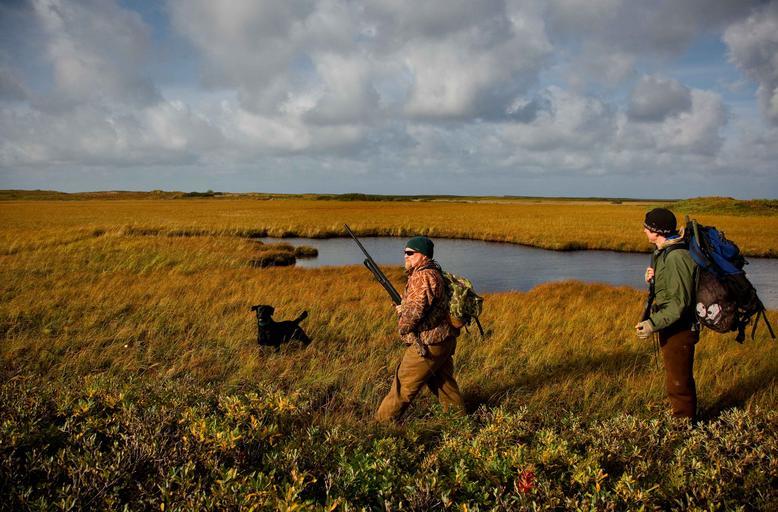
Hunting Call and Decoy Usage Advisor

Advises on hunting call and decoy usage principles.

use the tool below  

Step 1: Select the options that fit your scenario best
Step 2:
Click "Get My Recommendations"

Result:
The tool will populate a comprehensive recommendation with personalized advice, supporting information, and product suggestions in real-time. All tool outputs are unbiased and based on your scenario. This eliminates research time and gives you an expert answer for your needs instantly.  

Category:
Hunting
Link Copied!

Description

Explains call types (mouth, electronic, grunt), timing, volume, decoy placement, movement, and realism for attracting game without alerting in hunting situations.

Use Cases

This tool is ideal for hunters using calls and decoys who want to improve attraction without spooking game.

Inputs/Variables Explained

The inputs cover game species, hunting season phase, call type preference, decoy type preference, current usage issue, experience level, and terrain type, explaining call timing/volume and decoy placement for attraction. These choices suit rut-phase deer or turkey in dense woods or open fields. This tool provides call/decoy principles but success depends on scouting and realistic use.

Output Examples

Hunting Call and Decoy Usage Advisor

Call Fundamentals

  1. Timing is Everything
    • Early Morning and Late Afternoon: These are peak feeding times for most waterfowl. Begin calling softly at dawn and gradually increase volume as the sun rises.
    • Response to Conditions: Pay attention to weather changes. Calm days may require softer, while windy can mask sound, allowing for louder calls.
  2. Volume Control
    • Start Softly: Begin with soft quacks or feeding calls to mimic natural behavior. Overcalling can scare off wary birds.
    • Build Up Gradually: If there’s no response, increase volume in a calm and measured way. Use a mix of loud and soft calls to simulate interaction.
  3. Realistic Calling
    • Mimic Natural Sounds: Use a variety of calls to imitate different species and behaviors (e.g., feeding, alert, or mating sounds). This draws in birds by creating a realistic scenario.
    • Practice Makes Perfect: Regularly practice your mouth calls to achieve precision and control, ensuring you can imitate the sounds accurately.

Decoy Principles

  1. Placement for Realism
    • Vary Spacing: Position decoys in small groups with varied spacing to replicate natural flock behavior. This prevents the scene from looking artificial.
    • Face the Wind: Always place decoys facing into the wind. Waterfowl prefer to land into the wind, creating a more inviting setup.
  2. Types of Decoys
    • Mix Species: Use a mix of species decoys to attract different types of waterfowl. This diversity can often entice more birds as they see a vibrant scene.
    • Static Decoys: Ensure your static decoys are not too close together. Overcrowding can make them appear less realistic.
  3. Water Movement
    • Use Motion: If possible, incorporate motion decoys to simulate movement on the water. This can attract birds from a distance and enhance realism.

Pro Tips

  1. Scout for Natural Behavior
    • Observe Before Hunting: Spend time scouting your hunting area to understand the natural movements and behaviors of waterfowl. This knowledge will inform your calling and decoy strategies.
  2. Combination Strategies
    • Call and Decoy Synchronization: Use calls intermittently while observing the response from the decoys. If birds are circling, switch to a softer call to encourage landing.
    • Adapt Quickly: Be prepared to adjust your strategy based on the behavior of the birds. If they seem hesitant, tone down your calling or alter your decoy arrangement.
  3. Stay Patient and Flexible
    • Patience is Key: Sometimes it takes time for birds to respond. Stay quiet and observe their behavior before making drastic changes.
    • Adapt to Conditions: Be flexible with your tactics based on weather, time of day, and the behavior of the waterfowl.

By following these principles and tips, you can improve your chances of attracting waterfowl effectively. Always remember to respect wildlife and engage in ethical hunting practices.

Brought to you by TheToolCollective.com

About The Creator

The Tool Collective Team

The Tool Collective are a group of diverse and talented hobbyists on a mission to create thousands of ultra specific, and helpful decision making tools that help others who share our passions and interests. Whether they help with buying decisions, or give you expert level advice for techniques or methods, we will make it. You may know already, but we are passionate outdoorsmen at heart. Hunting is a tradition we all grew up with, and we have experience targeting a wide variety of game across many regions of the United States. These tools are designed to address those common hunting questions or variables that plague beginners or enthusiasts. We hope they are of use to you, and don't forget to share them with your friends. Enjoy!

How It Was Made

Made with The Tool Collective's signature model. We combine an AI engine which process the user's input choices and runs it through our specifically designed logic and reasoning parameters for that tool to curate a precise and organized output. An enthusiast knowledgeable in the tool category designs the tools inputs and input choices, writes custom logic parameters, and defines the output format and requirements. The AI engine powers the system and creates a lightning fast, highly intelligent decision tool, which is always up-to-date with current pricing and publicly available information on whatever the tool is designed for. Combines all of the internets resources into one.

Tags

Outdoors, Hunting, Tracking, Deer, Bear, Elk, Moose, Waterfowl, Ducks, Geese, Dove, Upland, Big Game, Small Game, Archery, Bow, Shotgun, Choke, Caliber, Firearm

Date Published

January 20, 2026

Last Updated

January 20, 2026
This is some text inside of a div block.

Dsiclaimer

The tools and resources provided on this website are AI-powered and for informational purposes only. While we strive to provide accurate and reliable results, the outputs generated by our tools may contain errors or inaccuracies. Users are responsible for verifying any results before making decisions or taking action. By using these tools, you acknowledge that we are not liable for any damages, losses, or consequences arising from the use of our tools or the information provided. Always exercise your own judgment and consult a qualified professional when necessary.

Affiliate Disclosure

We may earn a commission from products purchased through the links on this site. At NO extra cost to you. They help support The Tool Collective and keep us creating tools completely free and open.