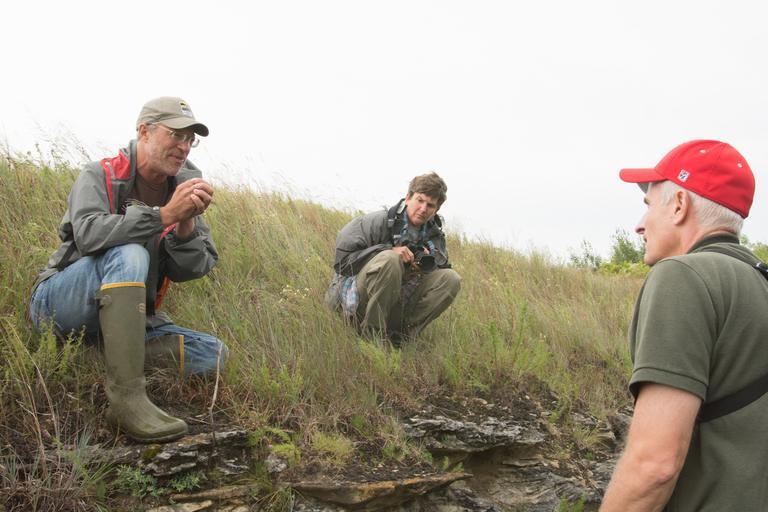
Foraging Plant Identification and Safety Advisor

Advises on foraging plant identification and safety principles.

use the tool below  

Step 1: Select the options that fit your scenario best
Step 2:
Click "Get My Recommendations"

Result:
The tool will populate a comprehensive recommendation with personalized advice, supporting information, and product suggestions in real-time. All tool outputs are unbiased and based on your scenario. This eliminates research time and gives you an expert answer for your needs instantly.  

Category:
Foraging
Link Copied!

Description

Explains key plant features (leaves, stems, flowers, roots), look-alike dangers, edibility tests, and safe harvesting to avoid toxic species in different regions.

Use Cases

This tool is meant for foragers who want to safely identify and harvest wild plants while avoiding toxic look-alikes.

Inputs/Variables Explained

The inputs cover region (expanded to 17 diverse global areas like North America East Coast or Africa Savanna), target plant category (greens, berries, roots, herbs, nuts, flowers, medicinal), current concern, season, environment, experience, and safety priority, allowing detailed feature analysis, toxicity risks, and safe tests for various plants. These choices accommodate beginners in urban backyards or advanced in mountain alpine with high toxin avoidance. This tool provides identification/safety principles but cannot substitute for expert verification or local field guides; always cross-reference multiple sources.

Output Examples

Identification Fundamentals

When foraging for berries and fruits, especially in the East Coast of North America, it's crucial to focus on the following morphological features:

  1. Leaf Shape and Arrangement:
    • Observe if the leaves are simple or compound.
    • Note the arrangement (alternate, opposite, whorled).
  2. Berry Color and Size:
    • Identify the color, which can range from red, blue, black, and even white.
    • Measure the size of the berries, as some toxic varieties can look similar.
  3. Stem Characteristics:
    • Check if the stem is woody or herbaceous.
    • Look for any thorns or hairs.
  4. Flower Structure:
    • Identify if flowers are present; they often help in identification.
    • Note the color and arrangement of petals.
  5. Growth Habit:
    • Observe whether the plant is a shrub, vine, or herb.

Key Identification Principle: Always cross-reference your findings with multiple field guides or trusted sources before consuming any plants.

Safety Guidelines

When foraging for berries, especially as a beginner, follow these safety guidelines:

  1. Know Look-Alikes:
    • Some edible berries have toxic counterparts (e.g., Elderberries vs. Poison Ivy). Familiarize yourself with common toxic look-alikes.
    • Common examples include Deadly Nightshade (Belladonna) and Holly Berries.
  2. Toxicity Risks:
    • High Toxin Avoidance: Certain berries can cause severe reactions. For instance, Yew Berries are toxic, as are the berries of the Holly Tree.
    • Research local toxic plants in your area.
  3. Universal Edibility Test:
    • If uncertain, use the Universal Edibility Test:
      • Step 1: Separate the plant into its parts (leaf, stem, root).
      • Step 2: Test for a reaction:
        • Touch a small piece to your lips and wait for 3 minutes.
        • If no reaction, place it on your tongue for 15 minutes.
        • If still no reaction, chew a small piece and wait for an hour before swallowing.
      • Note: Even if the test is passed, it does not guarantee safety. Individual reactions can vary.

Key Safety Principle: Never eat unknown plants. Always seek expert advice or consult reliable resources.

Pro Tips

  1. Use Field Guides:
    • Invest in a good field guide specific to your region that includes pictures and descriptions of common berries.
  2. Join Foraging Groups:
    • Consider joining local foraging groups or workshops. Learning from experienced foragers can greatly enhance your knowledge.
  3. Document Findings:
    • Keep a foraging journal with pictures and notes on plants you identify. This helps reinforce learning and builds confidence.
  4. Seasonal Considerations:
    • Remember that berries may have different appearances in various seasons. Foliage and flowering can change significantly from spring to summer.
  5. Stay Informed:
    • Regularly check for updates on local flora, as environmental changes can introduce new species or alter existing ones.

Key Pro Tip: Always triple-check your identifications with multiple reliable sources before considering any plant safe to eat.

Brought to you by TheToolCollective.com

About The Creator

The Tool Collective Team

The Tool Collective are a group of diverse and talented hobbyists on a mission to create thousands of ultra specific, and helpful decision making tools that help others who share our passions and interests. Whether they help with buying decisions, or give you expert level advice for techniques or methods, we will make it. The outdoors is where most of our passions are. Foraging started when most of us were young, growing up in the American east coast, nearby to the Appalachian Mountains. From hunting for morels, to gathering wild mulberries and chantarelles, foraging has become a family tradition for many of us. We built these tools to help with some of the common questions for beginners and enthusiasts alike to help with your foraging adventures

How It Was Made

Made with The Tool Collective's signature model. We combine an AI engine which process the user's input choices and runs it through our specifically designed logic and reasoning parameters for that tool to curate a precise and organized output. An enthusiast knowledgeable in the tool category designs the tools inputs and input choices, writes custom logic parameters, and defines the output format and requirements. The AI engine powers the system and creates a lightning fast, highly intelligent decision tool, which is always up-to-date with current pricing and publicly available information on whatever the tool is designed for. Combines all of the internets resources into one.

Tags

Nature, Hunting, Gardening, Farming, Mushrooms, Berries, Nuts, Plants, Edible, Poisonous, Forests

Date Published

January 24, 2026

Last Updated

January 24, 2026
This is some text inside of a div block.

Dsiclaimer

The tools and resources provided on this website are AI-powered and for informational purposes only. While we strive to provide accurate and reliable results, the outputs generated by our tools may contain errors or inaccuracies. Users are responsible for verifying any results before making decisions or taking action. By using these tools, you acknowledge that we are not liable for any damages, losses, or consequences arising from the use of our tools or the information provided. Always exercise your own judgment and consult a qualified professional when necessary.

Affiliate Disclosure

We may earn a commission from products purchased through the links on this site. At NO extra cost to you. They help support The Tool Collective and keep us creating tools completely free and open.